Thursday, 27 June 2013

Wednesday, 10 April 2013
Disclosure Here Comes The Sun Mix
Shortly after this mix I had the pleasure of being introduced to Guy and Howard and dance to their music in Deleted Fridays of Shine Nightclub in Vancouver a while ago. In all fairness they have a British jackin' vibe going on and the energy they give to the dancefloor is what made me chuckle throughout the night. Have a listen and enjoy
Sunday, 31 March 2013
12 Ναρκωτικα του αρχαιου κοσμου
12 Ναρκωτικα του αρχαιου κοσμου.... και που να τα βρειτε.

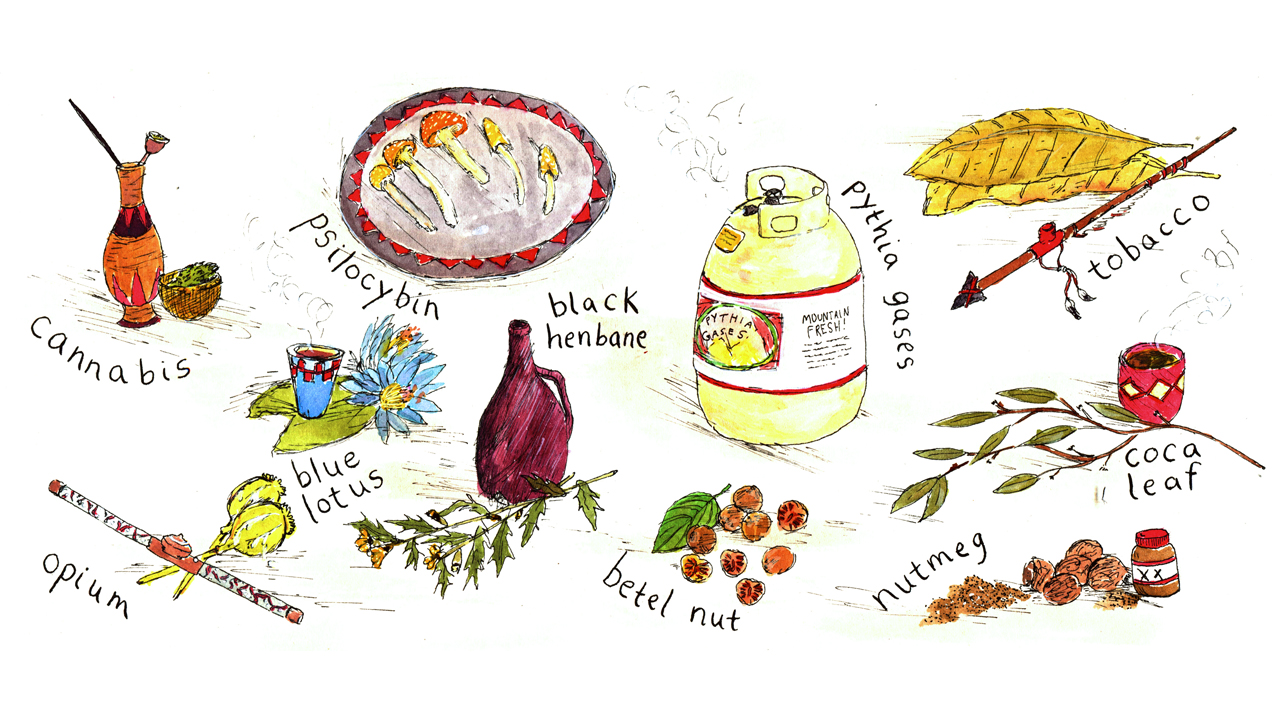
Despite what you might have thought when you were 15, you didn’t discover drugs. Humans have consumed organic substances for their various effects for millennia. Where the Egyptians had blue lotus, Indians used nutmeg as an aphrodisiac, and Mayans chewed coca leaves for energy. To help you out with your intoxicant history, here’re 12 drugs used in ancient cultures, what they do and where to get them — if anywhere — today.
Οι παλμοί σου χαλαρώνουν και αισθάνεσαι λίγο αναψοκοκκινισμένος. Το πιθανότερο να βρίσκεσαι και σε σεξουαλική διέγερση, περισσότερο απ' το συνηθισμένο. Όχι, δεν είσαι στο υπόγειο του σπιτιού σου μετά από μερικές τζούρες. Βρισκόμαστε στην αρχαία Αίγυπτο, και έχεις μόλις φάει μερικά μπλε άνθη λωτού, ένα ψυχοδραστικό ναρκωτικό που οι Αιγύπτιοι βασιλείς χρησιμοποιούσαν για να εισέλθουν σε καταστάσεις έκστασης.
Παρά τα όσα πιστεύατε όταν ήσασταν 15, δεν ανακαλύψατε εσείς τα ναρκωτικά. Οι άνθρωποι κατανάλωναν οργανικές ουσίες για τις ποικίλες επιδράσεις τους για χιλιετίες ολόκληρες. Οι Αιγύπτιοι είχαν το μπλε λωτό, οι Ινδιάνοι χρησιμοποιούσαν το μοσχοκάρυδο ως αφροδισιακό, και οι Μάγιας αναμασούσαν φύλλα κόκας για να παίρνουν ενέργεια. Σχετικά με αυτή τη μαστουρωτική ιστορία, ορίστε λοιπόν 12 ναρκωτικά που χρησιμοποιούνταν σε αρχαίες κουλτούρες, ποιες είναι οι επιδράσεις τους και πού μπορείτε (αν μπορείτε) να τα βρείτε.
Blue Lotus
Who used it: Egyptians.
What it does: Similar to a weaker version of MDMA or ecstasy, blue lotus causes a state of relaxed inhibitions in which users are more talkative, comfortable, and aroused. It’s not a psychedelic, but personal stories of the drug (as used today) often note that it induces lassitude and blissful sleep. In The Odyssey, Homer described it as robbing Odysseus of any willpower: “Once tasted, no desire felt he to come with tidings back or seek his country more.” The most common method of consumption is to brew the flowers into a tea or steep them in alcohol for up to three weeks; the alcohol enhances the effects of the active chemicals.
Where to get it: Mail order, from the internet.
ΜΠΛΕ ΛΩΤΟΣ
ΠΟΙΟΙ ΤΟ ΧΡΗΣΙΜΟΠΟΙΟΥΣΑΝ: οι Αιγύπτιοι
ΤΙ ΚΑΝΕΙ: Μοιάζει με μια λιγότερο δυνατή μορφή MDMA ή ecstasy. Ο μπλε λωτός προκαλεί χαλάρωση των αναστολών, όπου οι χρήστες είναι περισσότερο ομιλητικοί, άνετοι, και ξύπνιοι. Δεν είναι ψυχεδελικό, αλλά προσωπικές ιστορίες χρήσης του ναρκωτικού (όπως χρησιμοποιείται σήμερα) σημειώνουν συχνά ότι προκαλεί ατονία και ξέγνοιαστο ύπνο. Στην Οδύσσεια, ο Όμηρος το περιέγραφε σαν να του έκλεβε κάθε δύναμη θέλησης: «Μα αν του λωτού το μελιστάλαχτο καρπό κανείς γευόταν, πια δε γνοιαζόταν για μηνύματα κι ολότελα το γυρισμό ξεχνούσε». Ο πιο συνηθισμένος τρόπος κατανάλωσης είναι η παρασκευή τσαγιού με τα άνθη ή η διατήρησή τους σε οινόπνευμα μέχρι τρεις εβδομάδες: το οινόπνευμα ενισχύει την επίδραση των δραστικών χημικών.
ΠΟΥ ΝΑ ΤΟ ΒΡΕΙΤΕ: Παραγγελία από το ίντερνετ

Pythia Gases
Who used it: Ancient Greek oracles.
What it does: “Pythia” was the name for the Oracle of Delphi, a priestess in the Temple of Apollo on Mount Parnassus in ancient Greece. The oracle was said to inhale the gases, go into a trance, and recite prophesies. The ritual ended in 393 A.D. Academics debate if the Pythia gases were real or mythological, but some writers have posited theories on what chemicals the gases might have been made of. Ethylene, benzene, and methane are all possibilities, though others argue that the Pythia oracles spoke coherently in their own voices, dead sober. Too bad for them.
Where to get it: Deep in a mountain chasm. Happy hunting.
ΟΙ ΑΝΑΘΥΜΙΑΣΕΙΣ ΤΗΣ ΠΥΘIΑΣ
ΠΟΙΟΙ ΤΟ ΧΡΗΣΙΜΟΠΟΙΟΥΣΑΝ: Οι αρχαίοι Έλληνες μάντεις
ΤΙ ΚΑΝΕΙ: Η Πυθία, η μάντισσα των Δελφών, ιέρεια στο Ναό του Απόλλωνα στον Παρνασσό της Αρχαίας Ελλάδας, λεγόταν ότι εισέπνεε αναθυμιάσεις, έμπαινε σε κατάσταση έκστασης και απήγγειλε προφητείες. Αυτή η τελετουργία σταμάτησε το 393π.Χ. Οι ακαδημαϊκοί διαφωνούν ως προς το αν αυτές οι αναθυμιάσεις ήταν πραγματικές ή κάτι το μυθολογικό, αλλά κάποιοι συγγραφείς έχουν παρουσιάσει θεωρίες σχετικά με το ποια χημικά θα μπορούσαν να τις προκαλούν. Αιθυλένιο, βενζίνη και μεθάνιο είναι κάποιες πιθανότητες, αν και άλλοι υποστηρίζουν ότι οι μάντεις των Δελφών μιλούσα με απόλυτη συνοχή, εντελώς νηφάλιοι. Κρίμα γι' αυτούς.
ΠΟΥ ΝΑ ΤΟ ΒΡΕΙΤΕ: Βαθιά στις χαράδρες των βουνών. Καλή τύχη.
Opium
Who used it: Sumerians, Assyrians, Egyptians, Indians, Greeks, and Romans
What it does: Opium comes from the latex embedded in the husk of the poppy flower, which contains up to 12 percent morphine, the active ingredient in the drug. It has historically been used as medicine to induce sleep, relieve pain, and cure diarrhea, as well as to improve sex in 16th-century China.
The drug has a long history: It was first cultivated by Sumerians in 3400 BC, who referred to it as the “joy plant.” The Greek gods of sleep, night, and death are often pictured wreathed in or holding poppies. Today, opium is often distilled into derivatives like heroin, but the flowers can also be turned into a potent tea.
Where to get it: Despite the intense occupation, Afghanistan is currently the world’s largest producer of opium poppies.
ΟΠΙΟ
ΠΟΙΟΙ ΤΟ ΧΡΗΣΙΜΟΠΟΙΟΥΣΑΝ: Σουμέριοι, Ασσύριοι, Αιγύπτιοι, Ινδιάνοι, Έλληνες και Ρωμαίοι
ΤΙ ΚΑΝΕΙ: Το όπιο προέρχεται από χυμό (γάλα) που έχει ο μίσχος της παπαρούνας, ο οποίος περιέχει μέχρι και 12% μορφίνη, το ενεργό συστατικό του ναρκωτικού. Ιστορικά έχει χρησιμοποιηθεί ως υπνωτικό φάρμακο, αναλγητικό και φάρμακο κατά της διάρροιας, καθώς επίσης και για να κάνει καλύτερο το σεξ στην αρχαία Κίνα.
Το ναρκωτικό αυτό έχει μεγάλη ιστορία: Πρώτα καλλιεργήθηκε από τους Σουμέριους το 3400 π.Χ., που το ονόμαζαν «το φυτό της χαράς». Οι Αρχαίοι Ελληνικοί θεοί του ύπνου, της νύχτας και του θανάτου συχνά απεικονίζονται στεφανωμένοι με παπαρούνες ή κρατώντας τες. Σήμερα το όπιο παράγει από τα αποστάγματά του άλλα ναρκωτικά όπως η ηρωίνη, αλλά τα άνθη μπορούν και να γίνονται τσάι.
ΠΟΥ ΝΑ ΤΟ ΒΡΕΙΤΕ: Στο Αφγανιστάν γίνεται αυτή τη στιγμή η μεγαλύτερη παραγωγή παπαρούνας οπίου παγκοσμίως.
Psilocybin
Who used it: Ancient peoples around the Saharan desert, Central and South American cultures.
What it does: Psilocybin mushrooms, or “magic” mushrooms have been spotted in Algerian murals dated 9000 to 7000 BC and were featured in small carved sculptures made in Central and South America from 1000 to 500 BC. Eating the ‘shrooms causes nausea and hallucinations, which were ritualistically embraced by ancient users. Shamans were often believed to receive insight from mushroom-induced hallucinations.
Some modern students of drug history even believe that these hallucinations kick-started humanity’s cultural and spiritual evolution. Hallucinogenics scholar Terence McKenna wrote, “I am convinced that if there were no shamanic pipeline, there would be no higher life, as we know it, on this planet.”
Where to get it: Different varieties of mushrooms can be found in the wild, but the most easily recognizable and easy to attain grow on cow shit. Out in the fields, “smart shops” in Amsterdam, Deadheads.
ΨΙΛΟΚΥΒΙΝΗ
ΠΟΙΟΙ ΤΟ ΧΡΗΣΙΜΟΠΟΙΟΥΣΑΝ: Αρχαίοι πολιτισμοί γύρω από την έρημο Σαχάρα, πολιτισμοί της Κεντρικής και της Νότιας Αμερικής.
ΤΙ ΚΑΝΕΙ: Τα μανιτάρια ψιλοκυβίνης, ή «μαγικά» μανιτάρια, παρατηρούνται σε τοιχογραφίες των Αλγέριων από το 9000 μέχρι το 7000 π.Χ. και σε μικρά ανάγλυφα στην Κεντρική και Νότια Αμερική από το 1000 ως το 500π.Χ. Η κατανάλωση των μανιταριών προκαλεί ναυτία και παραισθήσεις, οι οποίες τελετουργικά έγιναν δημοφιλείς στους αρχαίους χρήστες. Συχνά πιστευόταν ότι οι σαμάνοι έβλεπαν προφητικά οράματα από παραισθήσεις που προκαλούσαν τα μανιτάρια.
Κάποιοι φοιτητές της φαρμακευτικής ιστορίας πιστεύουν ακόμη και ότι αυτές οι παραισθήσεις έδωσαν ώθηση στην εξέλιξη της ανθρώπινης κουλτούρας και του πνεύματος. Ο λόγιος της παραισθησιολογίας Terence McKenna έγραψε «Πιστεύω πως αν δεν υπήρχε η ιστορική γραμμή των σαμάνων δεν θα υπήρχε ανώτερη ζωή, όπως την ξέρουμε, σε αυτό τον πλανήτη».
ΠΟΥ ΝΑ ΤΟ ΒΡΕΙΤΕ: Διάφορες ποικιλίες μανιταριών βρίσκονται στη φύση, αλλά οι πιο αναγνωρίσιμες και εύκολα προσβάσιμες φυτρώνουν στα κόπρανα αγελάδας. Έξω στα λιβάδια, σε «smart shops» στο Άμστερνταμ.

Black Henbane
Who used it: Eurasian cultures.
What it does: Black henbane, also known by names ranging from “stinking nightshade” to “apollinarix” (after the Greek god Apollo), was used as a medicine, and its seeds were often brewed into beer as a way to increase its intoxicating effects. It impairs vision and causes deep sleep, but too much of it is poison — Shakespeare cited it in his plays as a murder weapon.
Where to get it: Forage in the forest.
ΜΑΥΡΟΣ ΥΟΣΚΙΑΜΟΣ
ΠΟΥ ΝΑ ΤΟ ΒΡΕΙΤΕ: Στη βοσκή του δάσους (χαμηλά χόρτα)
Coca Leaf
Who used it: Mayans
What it does: Way before anyone was distilling the plant into powder, coca leaves were chewed and brewed into tea by Mayans for its powerful stimulating effects. Coca is an extremely functional drug: Beyond its capacity to act like strong cup of coffee, a dose of 100 grams of coca leaf contains your daily recommended intake of calcium, phosphorus, iron, and several vitamins, though putting it in your breakfast cereal is definitely not recommended.
Where to get it: The hills of South America, but specifically Medellín.
ΦΥΛΛΑ ΚΟΚΑΣ
ΠΟΥ ΝΑ ΤΟ ΒΡΕΙΤΕ: Στους λόφους της Νότιας Αμερικής, πιο συγκεκριμένα στη Μεντεγίν της Κολομβίας.
Tobacco
Who used it: Native Americans.
What it does: Tobacco was used as a ritual substance and trade item for Native Americans long before it was discovered by western settlers in the 16th century and became one of the most widely used drugs in the world. The natives believed that tobacco was a holy gift and the tobacco smoke carried the smoker’s prayers to heaven. Western peoples just believed it was awesome, at least until tobacco’s health effects came to public knowledge.
Where to get it: The corner store.
ΠΟΥ ΝΑ ΤΟ ΒΡΕΙΤΕ: Στο μαγαζί της γωνίας
Betel Nut
Who used it: Central and East Asian cultures.
What it does: Areca nut, known more commonly as betel nut, has been chewed as a stimulant for tens of thousands of years. Evidence has been found of its use 13,000 years ago in Timor, an island to the north of Australia. Consuming the areca nut comes with an elaborate preparation process: Slices of the spicy, sweet nut, along with additives like tobacco and dried fruit, are wrapped in a betel leaf that is sometimes brushed with lime chalk, and then inserted into the mouth. Mmm!
Chewing the nut causes a warming sensation in the body and heightened awareness, not unlike coffee. Unfortunately, it also causes gum damage and oral cancer. The habit is dying out today both because of the health risks as well as its aesthetics — the betel chewer’s saliva turns a disgusting shade of bright red and their spit looks a lot like blood.
Where to get it: Trees in Asia.
ΤΙ ΚΑΝΕΙ: Το σπόρο του betel τον μασούσαν σαν διεγερτικό για δεκάδες χιλιάδες χρόνια. Αποδείξεις έχουν βρεθεί για τη χρήση του από 13000 χρόνια πριν στο Τιμόρ, ένα νησί στη βόρια Αυστραλία. Η κατανάλωσή του συνοδεύεται από μια προετοιμασία: φέτες του πικάντικου και ζουμερού καρπού, μαζί με πρόσθετα όπως καπνός και αποξηραμένα φρούτα, τυλίγονται σε ένα φύλλο ινδοκάρυδου που μερικές φορές βουρτσίζεται με κιμωλία και τέλος εισέρχεται στο στόμα. Μμμμ!
Μασώντας τον καρπό προκαλείται μια αίσθηση ζεστασιάς στο σώμα και αυξημένη εγρήγορση αντίληψης, που δεν διαφέρει πολύ από τον καφέ. Δυστυχώς, προκαλεί επίσης καταστροφή των ούλων και καρκίνο του στόματος. Η συνήθεια χρήσης του εξασθενεί σήμερα εξ αιτίας των κινδύνων για την υγεία αλλά και για λόγους αισθητικής: το σάλιο του ατόμου που μασάει το σπόρο betel παίρνει ένα αηδιαστικό χρώμα έντονου κόκκινου και μοιάζει με αίμα.
ΠΟΥ ΝΑ ΤΟ ΒΡΕΙΤΕ: Δέντρα στην Ασία
Cannabis
Who used it: Central and South Asian cultures.
What it does: Though cannabis has been cultivated for millennia for its useful hemp fiber, the earliest recorded evidence of the drug being used as a psychoactive is a 2700-year-old grave site in western China. A shaman’s grave was found to contain a bag with 789 grams of cannabis. Clearly, he was a huge stoner — that’s 1.7 pounds of the green stuff.
The plant has also been used as an intoxicant in bhang, a beverage drunk by Sikhs to honor Shiva and as a meditation aid and painkiller. Medicinally, cannabis is used to heighten appetite, treat glaucoma, and make boring TV more entertaining.
Where to get it: Your friendly neighborhood dealer.
ΚΑΝΝΑΒΗ
ΠΟΙΟΙ ΤΟ ΧΡΗΣΙΜΟΠΟΙΟΥΣΑΝ: Πολιτισμοί της Κεντρικής και Νότιας Ασίας
ΤΙ ΚΑΝΕΙ: Παρόλο που η κάνναβη έχει καλλιεργηθεί για χιλιετίες για τις χρήσιμες ίνες της, οι πιο πρόσφατες αποδείξεις ότι το ναρκωτικό χρησιμοποιούνταν σαν ψυχοδραστικό είναι ένας τάφος 2700 χρόνων σε μια τοποθεσία στη Δυτική Κίνα. Ο τάφος ενός σαμάνου βρέθηκε να περιέχει 789γρ. κάνναβης. Ξεκάθαρα, ήταν μεγάλος μαστούρης.
Το φυτό έχει επίσης χρησιμοποιηθεί σαν μεθυστική ουσία στο bhang, ένα ποτό που το έπιναν οι Σιχ για να λατρεύουν τη Σίβα και σαν φάρμακο και αναλγητικό. Φαρμακευτικά, η κάνναβη χρησιμοποιείται για να αυξάνει την όρεξη, να θεραπεύει το γλαύκωμα και να κάνει τις βαρετές τηλεοπτικές εκπομπές πιο ενδιαφέρουσες.
ΠΟΥ ΝΑ ΤΟ ΒΡΕΙΤΕ: Από το φίλο σας τον διακινητή στη γειτονιά

Nutmeg
Who used it: Indian and Asian societies.
What it does: Nutmeg, more commonly known as a cooking ingredient, has long been used medicinally to combat asthma and heart complaints, as well as a popular sedative, according to the 1998 Encyclopedia of Psychoactive Substances. The spice was believed to have magical, lucky properties, but it has also been used for more… functional applications: Malcolm X drank water mixed with nutmeg as a marijuana substitute while in prison. Just don’t take too much of it, like this poor guy did. Spices can fuck you up.
Where to get it: The local spice store.
ΤΙ ΚΑΝΕΙ: Το μοσχοκάρυδο, που είναι πιο γνωστό σαν μπαχαρικό για τη μαγειρική, έχει χρησιμοποιηθεί εκτενώς για την καταπολέμηση του άσθματος και για παθήσεις της καρδιάς, καθώς και ως καταπραϋντικό. Το μπαχαρικό πιστευόταν πως έχει μαγικές, τυχερές ιδιότητες, αλλά έχει επίσης χρησιμοποιηθεί για περισσότερο…λειτουργικές πρακτικές: ο Malcolm X έπινε νερό ανακατεμένο με μοσχοκάρυδο σαν υποκατάστατο της μαριχουάνας όταν ήταν στη φυλακή. Απλά μην πάρετε πολύ, σαν αυτόν τον κακομοίρη. Τα μπαχαρικά μπορεί να σε στείλουν για τα καλά.
ΠΟΥ ΝΑ ΤΟ ΒΡΕΙΤΕ: Σε ένα απλό μαγαζί μπαχαρικών.
Harmal
Who used it: West Indian, Iranian, and Andean cultures.
What it does: Harmal, a flowering plant that can be distilled into the chemical Harmine, has recently been discovered in the hair of an adult male mummy as well as a mummified one-year-old baby in northern Chile, dating back to 800 to 1200 AD. The chemical is a powerful antidepressant and may increase the effects of other hallucinogens, as well as treat inflammation and fever. The male mummy was found with an elaborate set of snuffing trays and pipes, status symbols which would have been used to consume the drug.
Where to get it: Harmal seeds can be found in Iran and Middle Eastern grocery stores.
ΧΑΡΜΑΛΙΝΗ
ΠΟΙΟΙ ΤΟ ΧΡΗΣΙΜΟΠΟΙΟΥΣΑΝ: Δυτικοί Ινδιάνοι, Ιρανοί, πολιτισμοί των Άνδεων
ΤΙ ΚΑΝΕΙ: Το Harmal, ένα ανθοφόρο φυτό του οποίου μπορεί να γίνει απόσταγμα για την παρασκευή χημικής Χαρμίνης, έχει πρόσφατα ανακαλυφθεί στον απόγονο μιας ενήλικης αρσενικής μούμιας μαζί με ένα μουμιοποιημένο ενός έτους μωρό στη Βόρεια Χιλή, γύρω στο 800 με 1200 π.Χ. Το χημικό είναι ένα ισχυρό αντικαταθλιπτικό και μπορεί ν αυξήσει την επίδραση άλλων παραισθησιογόνων, αλλά και να θεραπεύσει μολύνσεις και πυρετό. Η αρσενική μούμια βρέθηκε με μια λεπτομερή συλλογή πιπών και δίσκων αποψίλωσης, τα οποία φαίνεται πως χρησιμοποιήθηκαν για να καταναλωθεί το ναρκωτικό.
ΠΟΥ ΝΑ ΤΟ ΒΡΕΙΤΕ: Οι σπόροι της Χαρμαλίνης μπορούν να βρεθούν στο Ιράν και σε μανάβικα της Μέσης Ανατολής.
Peyote
Who used it: Native Americans
What it does: This desert plant, which causes intense hallucinations, is known to have been in use since the Archaic period of North America, from 8000 to 2000 BC. Specimens have been found in grave sites dating back to 3000 BC. The drug is thought to have been part of religious ceremonies, rituals which continued until the US attempted to ban it in the early 20th century. Peyote buttons are generally chewed or boiled in water to make hallucinogenic tea — civil war soldiers in Texas, lacking anything better to do, made peyote tea. Experts obviously theorize that’s why the south lost.
Where to get it: Southwestern Texas and Mexico.
ΠΕΓΙΟΤ
Πηγη:
http://animalnewyork.com/2012/12-drugs-from-ancient-cultures-and-where-to-get-them/
http://luben.tv/nsfw/9342/
12 Drugs From Ancient Cultures And Where To Get Them
Your heart rate is slowing and you feel a little flushed. You’re relaxed, everything seems funny, and nothing can possibly bother you. You’re probably feeling a little bit horny, or at least more so than usual. No, this is not happening in your parents’ basement after a few bowl hits. This is ancient Egypt, and you just ate some blue lotus flowers, a psychoactive drug that Egyptian royalty used to induce ecstatic states.Despite what you might have thought when you were 15, you didn’t discover drugs. Humans have consumed organic substances for their various effects for millennia. Where the Egyptians had blue lotus, Indians used nutmeg as an aphrodisiac, and Mayans chewed coca leaves for energy. To help you out with your intoxicant history, here’re 12 drugs used in ancient cultures, what they do and where to get them — if anywhere — today.
Οι παλμοί σου χαλαρώνουν και αισθάνεσαι λίγο αναψοκοκκινισμένος. Το πιθανότερο να βρίσκεσαι και σε σεξουαλική διέγερση, περισσότερο απ' το συνηθισμένο. Όχι, δεν είσαι στο υπόγειο του σπιτιού σου μετά από μερικές τζούρες. Βρισκόμαστε στην αρχαία Αίγυπτο, και έχεις μόλις φάει μερικά μπλε άνθη λωτού, ένα ψυχοδραστικό ναρκωτικό που οι Αιγύπτιοι βασιλείς χρησιμοποιούσαν για να εισέλθουν σε καταστάσεις έκστασης.
Παρά τα όσα πιστεύατε όταν ήσασταν 15, δεν ανακαλύψατε εσείς τα ναρκωτικά. Οι άνθρωποι κατανάλωναν οργανικές ουσίες για τις ποικίλες επιδράσεις τους για χιλιετίες ολόκληρες. Οι Αιγύπτιοι είχαν το μπλε λωτό, οι Ινδιάνοι χρησιμοποιούσαν το μοσχοκάρυδο ως αφροδισιακό, και οι Μάγιας αναμασούσαν φύλλα κόκας για να παίρνουν ενέργεια. Σχετικά με αυτή τη μαστουρωτική ιστορία, ορίστε λοιπόν 12 ναρκωτικά που χρησιμοποιούνταν σε αρχαίες κουλτούρες, ποιες είναι οι επιδράσεις τους και πού μπορείτε (αν μπορείτε) να τα βρείτε.
Blue Lotus
Who used it: Egyptians.
What it does: Similar to a weaker version of MDMA or ecstasy, blue lotus causes a state of relaxed inhibitions in which users are more talkative, comfortable, and aroused. It’s not a psychedelic, but personal stories of the drug (as used today) often note that it induces lassitude and blissful sleep. In The Odyssey, Homer described it as robbing Odysseus of any willpower: “Once tasted, no desire felt he to come with tidings back or seek his country more.” The most common method of consumption is to brew the flowers into a tea or steep them in alcohol for up to three weeks; the alcohol enhances the effects of the active chemicals.
Where to get it: Mail order, from the internet.
ΜΠΛΕ ΛΩΤΟΣ
ΠΟΙΟΙ ΤΟ ΧΡΗΣΙΜΟΠΟΙΟΥΣΑΝ: οι Αιγύπτιοι
ΤΙ ΚΑΝΕΙ: Μοιάζει με μια λιγότερο δυνατή μορφή MDMA ή ecstasy. Ο μπλε λωτός προκαλεί χαλάρωση των αναστολών, όπου οι χρήστες είναι περισσότερο ομιλητικοί, άνετοι, και ξύπνιοι. Δεν είναι ψυχεδελικό, αλλά προσωπικές ιστορίες χρήσης του ναρκωτικού (όπως χρησιμοποιείται σήμερα) σημειώνουν συχνά ότι προκαλεί ατονία και ξέγνοιαστο ύπνο. Στην Οδύσσεια, ο Όμηρος το περιέγραφε σαν να του έκλεβε κάθε δύναμη θέλησης: «Μα αν του λωτού το μελιστάλαχτο καρπό κανείς γευόταν, πια δε γνοιαζόταν για μηνύματα κι ολότελα το γυρισμό ξεχνούσε». Ο πιο συνηθισμένος τρόπος κατανάλωσης είναι η παρασκευή τσαγιού με τα άνθη ή η διατήρησή τους σε οινόπνευμα μέχρι τρεις εβδομάδες: το οινόπνευμα ενισχύει την επίδραση των δραστικών χημικών.
ΠΟΥ ΝΑ ΤΟ ΒΡΕΙΤΕ: Παραγγελία από το ίντερνετ

Pythia Gases
Who used it: Ancient Greek oracles.
What it does: “Pythia” was the name for the Oracle of Delphi, a priestess in the Temple of Apollo on Mount Parnassus in ancient Greece. The oracle was said to inhale the gases, go into a trance, and recite prophesies. The ritual ended in 393 A.D. Academics debate if the Pythia gases were real or mythological, but some writers have posited theories on what chemicals the gases might have been made of. Ethylene, benzene, and methane are all possibilities, though others argue that the Pythia oracles spoke coherently in their own voices, dead sober. Too bad for them.
Where to get it: Deep in a mountain chasm. Happy hunting.
ΟΙ ΑΝΑΘΥΜΙΑΣΕΙΣ ΤΗΣ ΠΥΘIΑΣ
ΠΟΙΟΙ ΤΟ ΧΡΗΣΙΜΟΠΟΙΟΥΣΑΝ: Οι αρχαίοι Έλληνες μάντεις
ΤΙ ΚΑΝΕΙ: Η Πυθία, η μάντισσα των Δελφών, ιέρεια στο Ναό του Απόλλωνα στον Παρνασσό της Αρχαίας Ελλάδας, λεγόταν ότι εισέπνεε αναθυμιάσεις, έμπαινε σε κατάσταση έκστασης και απήγγειλε προφητείες. Αυτή η τελετουργία σταμάτησε το 393π.Χ. Οι ακαδημαϊκοί διαφωνούν ως προς το αν αυτές οι αναθυμιάσεις ήταν πραγματικές ή κάτι το μυθολογικό, αλλά κάποιοι συγγραφείς έχουν παρουσιάσει θεωρίες σχετικά με το ποια χημικά θα μπορούσαν να τις προκαλούν. Αιθυλένιο, βενζίνη και μεθάνιο είναι κάποιες πιθανότητες, αν και άλλοι υποστηρίζουν ότι οι μάντεις των Δελφών μιλούσα με απόλυτη συνοχή, εντελώς νηφάλιοι. Κρίμα γι' αυτούς.
ΠΟΥ ΝΑ ΤΟ ΒΡΕΙΤΕ: Βαθιά στις χαράδρες των βουνών. Καλή τύχη.
Opium
Who used it: Sumerians, Assyrians, Egyptians, Indians, Greeks, and Romans
What it does: Opium comes from the latex embedded in the husk of the poppy flower, which contains up to 12 percent morphine, the active ingredient in the drug. It has historically been used as medicine to induce sleep, relieve pain, and cure diarrhea, as well as to improve sex in 16th-century China.
The drug has a long history: It was first cultivated by Sumerians in 3400 BC, who referred to it as the “joy plant.” The Greek gods of sleep, night, and death are often pictured wreathed in or holding poppies. Today, opium is often distilled into derivatives like heroin, but the flowers can also be turned into a potent tea.
Where to get it: Despite the intense occupation, Afghanistan is currently the world’s largest producer of opium poppies.
ΟΠΙΟ
ΠΟΙΟΙ ΤΟ ΧΡΗΣΙΜΟΠΟΙΟΥΣΑΝ: Σουμέριοι, Ασσύριοι, Αιγύπτιοι, Ινδιάνοι, Έλληνες και Ρωμαίοι
ΤΙ ΚΑΝΕΙ: Το όπιο προέρχεται από χυμό (γάλα) που έχει ο μίσχος της παπαρούνας, ο οποίος περιέχει μέχρι και 12% μορφίνη, το ενεργό συστατικό του ναρκωτικού. Ιστορικά έχει χρησιμοποιηθεί ως υπνωτικό φάρμακο, αναλγητικό και φάρμακο κατά της διάρροιας, καθώς επίσης και για να κάνει καλύτερο το σεξ στην αρχαία Κίνα.
Το ναρκωτικό αυτό έχει μεγάλη ιστορία: Πρώτα καλλιεργήθηκε από τους Σουμέριους το 3400 π.Χ., που το ονόμαζαν «το φυτό της χαράς». Οι Αρχαίοι Ελληνικοί θεοί του ύπνου, της νύχτας και του θανάτου συχνά απεικονίζονται στεφανωμένοι με παπαρούνες ή κρατώντας τες. Σήμερα το όπιο παράγει από τα αποστάγματά του άλλα ναρκωτικά όπως η ηρωίνη, αλλά τα άνθη μπορούν και να γίνονται τσάι.
ΠΟΥ ΝΑ ΤΟ ΒΡΕΙΤΕ: Στο Αφγανιστάν γίνεται αυτή τη στιγμή η μεγαλύτερη παραγωγή παπαρούνας οπίου παγκοσμίως.
Psilocybin
Who used it: Ancient peoples around the Saharan desert, Central and South American cultures.
What it does: Psilocybin mushrooms, or “magic” mushrooms have been spotted in Algerian murals dated 9000 to 7000 BC and were featured in small carved sculptures made in Central and South America from 1000 to 500 BC. Eating the ‘shrooms causes nausea and hallucinations, which were ritualistically embraced by ancient users. Shamans were often believed to receive insight from mushroom-induced hallucinations.
Some modern students of drug history even believe that these hallucinations kick-started humanity’s cultural and spiritual evolution. Hallucinogenics scholar Terence McKenna wrote, “I am convinced that if there were no shamanic pipeline, there would be no higher life, as we know it, on this planet.”
Where to get it: Different varieties of mushrooms can be found in the wild, but the most easily recognizable and easy to attain grow on cow shit. Out in the fields, “smart shops” in Amsterdam, Deadheads.
ΨΙΛΟΚΥΒΙΝΗ
ΠΟΙΟΙ ΤΟ ΧΡΗΣΙΜΟΠΟΙΟΥΣΑΝ: Αρχαίοι πολιτισμοί γύρω από την έρημο Σαχάρα, πολιτισμοί της Κεντρικής και της Νότιας Αμερικής.
ΤΙ ΚΑΝΕΙ: Τα μανιτάρια ψιλοκυβίνης, ή «μαγικά» μανιτάρια, παρατηρούνται σε τοιχογραφίες των Αλγέριων από το 9000 μέχρι το 7000 π.Χ. και σε μικρά ανάγλυφα στην Κεντρική και Νότια Αμερική από το 1000 ως το 500π.Χ. Η κατανάλωση των μανιταριών προκαλεί ναυτία και παραισθήσεις, οι οποίες τελετουργικά έγιναν δημοφιλείς στους αρχαίους χρήστες. Συχνά πιστευόταν ότι οι σαμάνοι έβλεπαν προφητικά οράματα από παραισθήσεις που προκαλούσαν τα μανιτάρια.
Κάποιοι φοιτητές της φαρμακευτικής ιστορίας πιστεύουν ακόμη και ότι αυτές οι παραισθήσεις έδωσαν ώθηση στην εξέλιξη της ανθρώπινης κουλτούρας και του πνεύματος. Ο λόγιος της παραισθησιολογίας Terence McKenna έγραψε «Πιστεύω πως αν δεν υπήρχε η ιστορική γραμμή των σαμάνων δεν θα υπήρχε ανώτερη ζωή, όπως την ξέρουμε, σε αυτό τον πλανήτη».
ΠΟΥ ΝΑ ΤΟ ΒΡΕΙΤΕ: Διάφορες ποικιλίες μανιταριών βρίσκονται στη φύση, αλλά οι πιο αναγνωρίσιμες και εύκολα προσβάσιμες φυτρώνουν στα κόπρανα αγελάδας. Έξω στα λιβάδια, σε «smart shops» στο Άμστερνταμ.

Black Henbane
Who used it: Eurasian cultures.
What it does: Black henbane, also known by names ranging from “stinking nightshade” to “apollinarix” (after the Greek god Apollo), was used as a medicine, and its seeds were often brewed into beer as a way to increase its intoxicating effects. It impairs vision and causes deep sleep, but too much of it is poison — Shakespeare cited it in his plays as a murder weapon.
Where to get it: Forage in the forest.
ΜΑΥΡΟΣ ΥΟΣΚΙΑΜΟΣ
ΠΟΙΟΙ ΤΟ ΧΡΗΣΙΜΟΠΟΙΟΥΣΑΝ: Ευρασιακοί πολιτισμοί
ΤΙ ΚΑΝΕΙ: Ο μαύρος υοσκίαμος, αλλιώς στρύχνος ή «apollinarix» από το θεό Απόλλωνα, χρησιμοποιούνταν στη φαρμακευτική, και οι σπόροι του ζυθοποιούνταν ώστε να αυξηθούν οι μεθυστικές του ιδιότητες. Θολώνει την όραση και προκαλεί βαθύ ύπνο, αλλά υπερβολική δόση είναι δηλητήριο (ο Σαίξπηρ το αναφέρει στα έργα του σαν θανατηφόρο όπλο).ΠΟΥ ΝΑ ΤΟ ΒΡΕΙΤΕ: Στη βοσκή του δάσους (χαμηλά χόρτα)
Coca Leaf
Who used it: Mayans
What it does: Way before anyone was distilling the plant into powder, coca leaves were chewed and brewed into tea by Mayans for its powerful stimulating effects. Coca is an extremely functional drug: Beyond its capacity to act like strong cup of coffee, a dose of 100 grams of coca leaf contains your daily recommended intake of calcium, phosphorus, iron, and several vitamins, though putting it in your breakfast cereal is definitely not recommended.
Where to get it: The hills of South America, but specifically Medellín.
ΦΥΛΛΑ ΚΟΚΑΣ
ΠΟΙΟΙ ΤΟ ΧΡΗΣΙΜΟΠΟΙΟΥΣΑΝ: Οι Μάγιας
ΤΙ ΚΑΝΕΙ: Πολύ πριν το φυτό μετατραπεί σε σκόνη, τα φύλλα κόκας μασώνταν και γίνονταν τσάι από τους Μάγιας εξ αιτίας των διεγερτικών τους ιδιοτήτων. Η κόκα είναι ένα ιδιαίτερα λειτουργικό ναρκωτικό: πέρα από την δυνατότητά του να λειτουργεί σαν ένα δυνατό τσάι, μια δόση 100γρ. φύλλων κόκας περιέχει την ημερήσια συνιστώμενη δοσολογία σε ασβέστιο, φώσφορο, σίδηρο και αρκετές βιταμίνες, αλλά δεν συνιστάται να συμπεριλαμβάνεται στο πρωινό γεύμα.ΠΟΥ ΝΑ ΤΟ ΒΡΕΙΤΕ: Στους λόφους της Νότιας Αμερικής, πιο συγκεκριμένα στη Μεντεγίν της Κολομβίας.
Tobacco
Who used it: Native Americans.
What it does: Tobacco was used as a ritual substance and trade item for Native Americans long before it was discovered by western settlers in the 16th century and became one of the most widely used drugs in the world. The natives believed that tobacco was a holy gift and the tobacco smoke carried the smoker’s prayers to heaven. Western peoples just believed it was awesome, at least until tobacco’s health effects came to public knowledge.
Where to get it: The corner store.
ΤΟ ΦΥΤΟ ΤΟΥ ΚΑΠΝΟΥ
ΠΟΙΟΙ ΤΟ ΧΡΗΣΙΜΟΠΟΙΟΥΣΑΝ: Οι ιθαγενείς Αμερικάνοι
ΤΙ ΚΑΝΕΙ: Ο καπνός χρησιμοποιούνταν σαν μια ουσία τελετουργικών και σαν προϊόν εμπορίου για τους ιθαγενείς της Αμερικής πολύ πριν ανακαλυφθεί από τους αποίκους της Δύσης το 16ο αιώνα, και έγινε ένα από τα πιο ευρέως χρησιμοποιούμενα ναρκωτικά στον κόσμο. Οι ιθαγενείς πίστευαν πως ο το φυτό του καπνού ήταν ένα δώρο από τους θεούς και ο καπνός του ανύψωνε τις προσευχές του καπνίζοντα στον ουρανό. Οι δυτικοί πολιτισμοί απλά πίστευαν ότι ήταν φοβερός, τουλάχιστον μέχρι που ανακαλύφθηκαν οι επιπτώσεις στην υγεία εξ αιτίας του.ΠΟΥ ΝΑ ΤΟ ΒΡΕΙΤΕ: Στο μαγαζί της γωνίας
Betel Nut
Who used it: Central and East Asian cultures.
What it does: Areca nut, known more commonly as betel nut, has been chewed as a stimulant for tens of thousands of years. Evidence has been found of its use 13,000 years ago in Timor, an island to the north of Australia. Consuming the areca nut comes with an elaborate preparation process: Slices of the spicy, sweet nut, along with additives like tobacco and dried fruit, are wrapped in a betel leaf that is sometimes brushed with lime chalk, and then inserted into the mouth. Mmm!
Chewing the nut causes a warming sensation in the body and heightened awareness, not unlike coffee. Unfortunately, it also causes gum damage and oral cancer. The habit is dying out today both because of the health risks as well as its aesthetics — the betel chewer’s saliva turns a disgusting shade of bright red and their spit looks a lot like blood.
Where to get it: Trees in Asia.
ΣΠΟΡΟΙ BETEL ή ARECA
ΠΟΙΟΙ ΤΟ ΧΡΗΣΙΜΟΠΟΙΟΥΣΑΝ: Πολιτισμοί της Κεντρικής και της Ανατολικής ΑσίαςΤΙ ΚΑΝΕΙ: Το σπόρο του betel τον μασούσαν σαν διεγερτικό για δεκάδες χιλιάδες χρόνια. Αποδείξεις έχουν βρεθεί για τη χρήση του από 13000 χρόνια πριν στο Τιμόρ, ένα νησί στη βόρια Αυστραλία. Η κατανάλωσή του συνοδεύεται από μια προετοιμασία: φέτες του πικάντικου και ζουμερού καρπού, μαζί με πρόσθετα όπως καπνός και αποξηραμένα φρούτα, τυλίγονται σε ένα φύλλο ινδοκάρυδου που μερικές φορές βουρτσίζεται με κιμωλία και τέλος εισέρχεται στο στόμα. Μμμμ!
Μασώντας τον καρπό προκαλείται μια αίσθηση ζεστασιάς στο σώμα και αυξημένη εγρήγορση αντίληψης, που δεν διαφέρει πολύ από τον καφέ. Δυστυχώς, προκαλεί επίσης καταστροφή των ούλων και καρκίνο του στόματος. Η συνήθεια χρήσης του εξασθενεί σήμερα εξ αιτίας των κινδύνων για την υγεία αλλά και για λόγους αισθητικής: το σάλιο του ατόμου που μασάει το σπόρο betel παίρνει ένα αηδιαστικό χρώμα έντονου κόκκινου και μοιάζει με αίμα.
ΠΟΥ ΝΑ ΤΟ ΒΡΕΙΤΕ: Δέντρα στην Ασία
Cannabis
Who used it: Central and South Asian cultures.
What it does: Though cannabis has been cultivated for millennia for its useful hemp fiber, the earliest recorded evidence of the drug being used as a psychoactive is a 2700-year-old grave site in western China. A shaman’s grave was found to contain a bag with 789 grams of cannabis. Clearly, he was a huge stoner — that’s 1.7 pounds of the green stuff.
The plant has also been used as an intoxicant in bhang, a beverage drunk by Sikhs to honor Shiva and as a meditation aid and painkiller. Medicinally, cannabis is used to heighten appetite, treat glaucoma, and make boring TV more entertaining.
Where to get it: Your friendly neighborhood dealer.
ΚΑΝΝΑΒΗ
ΠΟΙΟΙ ΤΟ ΧΡΗΣΙΜΟΠΟΙΟΥΣΑΝ: Πολιτισμοί της Κεντρικής και Νότιας Ασίας
ΤΙ ΚΑΝΕΙ: Παρόλο που η κάνναβη έχει καλλιεργηθεί για χιλιετίες για τις χρήσιμες ίνες της, οι πιο πρόσφατες αποδείξεις ότι το ναρκωτικό χρησιμοποιούνταν σαν ψυχοδραστικό είναι ένας τάφος 2700 χρόνων σε μια τοποθεσία στη Δυτική Κίνα. Ο τάφος ενός σαμάνου βρέθηκε να περιέχει 789γρ. κάνναβης. Ξεκάθαρα, ήταν μεγάλος μαστούρης.
Το φυτό έχει επίσης χρησιμοποιηθεί σαν μεθυστική ουσία στο bhang, ένα ποτό που το έπιναν οι Σιχ για να λατρεύουν τη Σίβα και σαν φάρμακο και αναλγητικό. Φαρμακευτικά, η κάνναβη χρησιμοποιείται για να αυξάνει την όρεξη, να θεραπεύει το γλαύκωμα και να κάνει τις βαρετές τηλεοπτικές εκπομπές πιο ενδιαφέρουσες.
ΠΟΥ ΝΑ ΤΟ ΒΡΕΙΤΕ: Από το φίλο σας τον διακινητή στη γειτονιά

Nutmeg
Who used it: Indian and Asian societies.
What it does: Nutmeg, more commonly known as a cooking ingredient, has long been used medicinally to combat asthma and heart complaints, as well as a popular sedative, according to the 1998 Encyclopedia of Psychoactive Substances. The spice was believed to have magical, lucky properties, but it has also been used for more… functional applications: Malcolm X drank water mixed with nutmeg as a marijuana substitute while in prison. Just don’t take too much of it, like this poor guy did. Spices can fuck you up.
Where to get it: The local spice store.
ΜΟΣΧΟΚΑΡΥΔΟ
ΠΟΙΟΙ ΤΟ ΧΡΗΣΙΜΟΠΟΙΟΥΣΑΝ: Ινδιάνικες και Ασιατικές κοινωνίεςΤΙ ΚΑΝΕΙ: Το μοσχοκάρυδο, που είναι πιο γνωστό σαν μπαχαρικό για τη μαγειρική, έχει χρησιμοποιηθεί εκτενώς για την καταπολέμηση του άσθματος και για παθήσεις της καρδιάς, καθώς και ως καταπραϋντικό. Το μπαχαρικό πιστευόταν πως έχει μαγικές, τυχερές ιδιότητες, αλλά έχει επίσης χρησιμοποιηθεί για περισσότερο…λειτουργικές πρακτικές: ο Malcolm X έπινε νερό ανακατεμένο με μοσχοκάρυδο σαν υποκατάστατο της μαριχουάνας όταν ήταν στη φυλακή. Απλά μην πάρετε πολύ, σαν αυτόν τον κακομοίρη. Τα μπαχαρικά μπορεί να σε στείλουν για τα καλά.
ΠΟΥ ΝΑ ΤΟ ΒΡΕΙΤΕ: Σε ένα απλό μαγαζί μπαχαρικών.
Harmal
Who used it: West Indian, Iranian, and Andean cultures.
What it does: Harmal, a flowering plant that can be distilled into the chemical Harmine, has recently been discovered in the hair of an adult male mummy as well as a mummified one-year-old baby in northern Chile, dating back to 800 to 1200 AD. The chemical is a powerful antidepressant and may increase the effects of other hallucinogens, as well as treat inflammation and fever. The male mummy was found with an elaborate set of snuffing trays and pipes, status symbols which would have been used to consume the drug.
Where to get it: Harmal seeds can be found in Iran and Middle Eastern grocery stores.
ΧΑΡΜΑΛΙΝΗ
ΠΟΙΟΙ ΤΟ ΧΡΗΣΙΜΟΠΟΙΟΥΣΑΝ: Δυτικοί Ινδιάνοι, Ιρανοί, πολιτισμοί των Άνδεων
ΤΙ ΚΑΝΕΙ: Το Harmal, ένα ανθοφόρο φυτό του οποίου μπορεί να γίνει απόσταγμα για την παρασκευή χημικής Χαρμίνης, έχει πρόσφατα ανακαλυφθεί στον απόγονο μιας ενήλικης αρσενικής μούμιας μαζί με ένα μουμιοποιημένο ενός έτους μωρό στη Βόρεια Χιλή, γύρω στο 800 με 1200 π.Χ. Το χημικό είναι ένα ισχυρό αντικαταθλιπτικό και μπορεί ν αυξήσει την επίδραση άλλων παραισθησιογόνων, αλλά και να θεραπεύσει μολύνσεις και πυρετό. Η αρσενική μούμια βρέθηκε με μια λεπτομερή συλλογή πιπών και δίσκων αποψίλωσης, τα οποία φαίνεται πως χρησιμοποιήθηκαν για να καταναλωθεί το ναρκωτικό.
ΠΟΥ ΝΑ ΤΟ ΒΡΕΙΤΕ: Οι σπόροι της Χαρμαλίνης μπορούν να βρεθούν στο Ιράν και σε μανάβικα της Μέσης Ανατολής.
Peyote
Who used it: Native Americans
What it does: This desert plant, which causes intense hallucinations, is known to have been in use since the Archaic period of North America, from 8000 to 2000 BC. Specimens have been found in grave sites dating back to 3000 BC. The drug is thought to have been part of religious ceremonies, rituals which continued until the US attempted to ban it in the early 20th century. Peyote buttons are generally chewed or boiled in water to make hallucinogenic tea — civil war soldiers in Texas, lacking anything better to do, made peyote tea. Experts obviously theorize that’s why the south lost.
Where to get it: Southwestern Texas and Mexico.
ΠΕΓΙΟΤ
ΠΟΙΟΙ ΤΟ ΧΡΗΣΙΜΟΠΟΙΟΥΣΑΝ: Οι ιθαγενείς της Αμερικής
ΤΙ ΚΑΝΕΙ: Αυτό το φυτό της ερήμου, που προκαλεί έντονες παραισθήσεις, γνωρίζουμε να βρίσκεται σε χρήση από την Αρχαϊκή περίοδο της Βόρειας Αμερικής, από το 8000 ως το 2000π.Χ. Δείγματα έχουν βρεθεί σε τάφους του 3000πΧ. Το ναρκωτικό πιστεύεται πως έχει αποτελέσει στοιχείο θρησκευτικών τελετών, τελετουργιών που συνεχίστηκαν μέχρι που οι Ηνωμένες Πολιτείες προσπάθησαν να το απαγορέψουν στις αρχές του 20ού αιώνα. «Kουμπιά» πεγιότ γενικά μασιούνται ή βράζονται σε νερό για την παρασκευή παραισθησιογόνου τσαγιού (οι πολιτικοί στρατιώτες του Τέξας στον πόλεμο, μην έχοντας τι καλύτερο να κάνουν έφτιαχναν τσάι από Πεγιότ). Οι ειδικοί θεωρούν προφανώς ότι γι' αυτό οι νότιοι έχασαν.Πηγη:
http://animalnewyork.com/2012/12-drugs-from-ancient-cultures-and-where-to-get-them/
http://luben.tv/nsfw/9342/
Wednesday, 13 February 2013


Monday, 26 November 2012
Wednesday, 3 October 2012
The 10 best VJ Software!
10 BEST SOFTWARE FOR VISUAL PERFORMANCE ARTIST
The task of selecting software for live audio-visual performances can become overwhelming, given the wide variety of solutions that are available. As is true of choosing anything, you need to understand what you need. You then take a look at what is available. Once again as with most other products, there are features offered that you may not comprehend completely. Your selection depends on your own skills and experience in the profession too. This can be especially tough for someone who is just starting out in this domain, or trying to get things done in such software for the first time, because you may not even be sure of what you need exactly. A good starting point is to take a look at what is available. And hence what are presented here are the best ones according to the professionals. So read on here to get the taste of some of the best VJ software that is available in the market today, including free ones right at the end.
VJAMM

VJamm made by Camart Ltd., described by the software publisher as a “piano for sound and vision.” It comes in two primary variants, VJamm (£50) and the VJamm Pro (£299). The professional version carry a number of advanced features, including support for higher resolution clips – 2048×2048, (while VJamm supports only up to 720×576), support for more file types (“.mov”, “.swf”, “.3ds”), better media import methods (Live Text creation and SMS to screen) and the ability to record a particular composition for later use. The Pro edition also allows the purchaser access to VJamm’s development program, which in turn is one of the reasons why the latest versions have a lot of intuitive features – driven by inputs from VJ’s who have used VJamm in the field.
Providing a comprehensive audio-visual solution, VJamm is reputed among VJ’s as having one of the most accurate time-bases which make it highly suitable for professional presentations – clip stretching and other clip calisthenics. Other attractive features include a responsive cross-fade module, a range of on-the-fly clip controls (like soft edge luma key, opacity, etc.), support for up to 16 layers of video with individual controls for each, and more.
There are add-ons that can be downloaded such as VJamm Blueprint which is an intuitive tool for creating attractive visual improvisations on-the-fly. The great thing about the add-ons is that you don’t have to purchase them – they are available for free to download, and will work as long as you use the registration key that is provided during purchase of VJamm/Pro – the publisher’s promise “you pay only once.”
But VJamm is for Windows PCs only. Minimum requirements: 1GHz CPU, 256 MB RAM, Windows XP with an Open GL graphics card. Free demo version is also available.
AVMIXER PRO

A good choice for starters, Neuromixer’s AVmixer Pro fits somewhere midway between VJamm and VJamm Pro. Although it does not have the support for as many live external video streams, it does come with a fairly complete set of features and so is an ideal solution for a beginning to intermediate level VJ. At $89, it is much cheaper than the VJamm Pro, and certainly a better buy than the VJamm. And unlike VJamm it is also available for Mac OS X.
The interface is attractive as well as intuitive. You can view the layers side by side for individual manipulation, and most of the functions, including a playback speed slider (range from 8% to 800%). With a little tinkering and some practice, you’ll very quickly find yourself sub-consciously rolling the mouse-over to the right place at the right time. It has a pretty standard list of advanced features including support for all major file types, MIDI support, support for FreeFrame effects and A/V mixing. The internal sequencer and the ability to assign specific audio channels to specific effects or to blends, makes it somewhat better VJamm.
As mentioned above, for Windows and Mac OSX users. Requires 512 MB RAM and QuickTime software installed prior to AVmixer Pro installation. Don’t forget to take advantage of the 30-day trial.
RESOLUME

For Mac as well as PC users, Resolume Avenue 3 is a great software for VJ`s, supporting up to 3 video layers. If you know to use Adobe Flash or use Flash for creating visuals then Resolume’s is for you. It can play Flash animations including AS2 and AS3 scripting. And when it comes to scripting you know how powerful it can be. It is probably a bit over-priced (€ 299.00) when compared to the VJamm Pro. But has the support for over a many external video streams and has relatively simplest user interface – overall it has a less cluttered feel. If you like to work on fewer layers, but would like far more video streams then this can be a good choice. Another important feature of this software is video mapping. If you have worked with much code based real-time graphics processing application like VVVV then you will know how hard it is to map a video on any physical object. But when it comes to Resolume with few clicks you can map the video onto any object or surface. Not only that you can even project on multiple surfaces or objects.
Although it does not have an SMS-to-Screen feature or an internal sequencer, it still comes with the ability to assign Audio input channels to effects and blends, as well as advanced LFO features – in addition to the standard LFO syncs to Audio/BPM (which available with VJamm Pro and AVmixer Pro), there is the ability to manually adjust the LFO wave and LFO assignment to mixing channels/effects.
You can watch the Resolume introduction video from Bill Holland at Gearwire. This software is available as a trial download as well as a 50% discount for an educational license. It requires at least 1GB of RAM with ATI Radeon 9600 or better OR NVIDIA GeForce FX 5200 or better.
ARKAOS GRAND VJ

With an 8 Channel solution, ArkaOS Grand VJ (priced at €279) is comparable to the other heavyweights we have seen. So it is midway in terms of layering and video mixing capabilities. It does support most of the Automated Mixing and LFO capabilities, in a way similar to Resolume’s Avenue. Thus it clearly has the advantage over VJamm Pro in this regard, but falls behind in the numbers of layers (8 vs. 16). Whereas its advantage over Avenue is in these very layers (8 vs. 3) it does fall behind in the ability to support external video streams or clips (8 vs. over a hundred). So it really may boil down to your need for the additional layers at a slightly lower price.
Otherwise the feature-set is pretty standard and comparable to the other options: FreeFrame effects, MIDI support, and supports both Live Text Creation and SMS to Screen; like VJamm Pro you can save your compositions/performances.
Download and give it a try, but seriously consider paying the shipping for the boxed version because it comes with a 2.8GB DVD of clips from various VJ artists. 1 GB RAM recommended, XP/Mac OSX 10.4 or higher, NVIDIA GeForce FX 5200/ATI Radeon 9200/Intel GMA 950 or higher, and Quicktime+Flashplayer pre-installed.
VDMX

One of the most popular VJ software for the Mac platform is VDMX. Able to any number of input clips and up to 4 external video input sources, the VDMX comes fully-loaded with all the bells and whistles that are customarily expected from a professional VJ package. What makes VDMX stand out though is its insistence on a real-time paradigm, that grants access at runtime to advanced video/graphics manipulation functions. This access is provided by the user interface that displays the relevant graphs on the main screen itself – changing parameters can be done quickly on-the-fly and it’s as easy as adjusting the graphs with the mouse (which in turn will affect the internal engine; the rendering engine runs at runtime). This allows you the flexibility of trying out things spontaneously and be brilliantly creative. As the publisher’s point out “VDMX’s workflow is designed to let you treat your studio like an instrument.”
Indeed the interface, with its signal processing/video manipulation functions does give it a studio feel. The right half of the interface is completely dedicate to such “studio” functions. VDMX replaces the basic timeline paradigm that is so standard in VJ software today with their innovative take on the real-time studio feel. However, and it must be said, for the non-professional the interface can be a little over-whelming; and even for the professional there is a little bit of a cluttered feel (make sure you have a fairly large screen to make it easier for yourself) and it can take a while to get used to the new paradigm.
Another important feature of VDMX and advantage being a Mac OS X application is that it can import Quartz Composer Composition and control it in real-time using VDMX controls. It also can use Quartz Composer Patches as plug-ins. And when it comes to Quartz Composer, you how innovative and creative it can be.
At $300 it is a better deal than some of the software we have already discussed, and it has a variety of add-ons for streamlining the interface and the rendering pipeline. You can save a particular setup (i.e. interface & rendering-pipeline combination) and load whichever setup is most desirable for your current activity.
The trial version only has saving disabled. Requires 1GHz or better CPU, Mac OSX 10.5.0/QuickTime 7.0.4 up, 512 MB RAM, and PCI Express or Intel Graphics Processor with at least 64 MB VRAM and OpenGL.
MODUL8

Another fairly popular Mac-only VJ solution is Modul8. Although priced in the same range as some of the software we have discussed here (@ €299; educational version @ €199), it does give you two licenses – possibly the freedom to maintain a Desktop and Laptop version at the same time. The interface does a lot by way of access to necessary functions and somehow feels a little bit better than a lot of competitors. This is partly because of the large preview screen as well as a fairly big (but not overwhelming) set of controls along the large left-pane.
Support for 10-layer video results in a rich composite output stream. Naturally each layer can be adjusted individually and in real-time, including the filters. And the rendering engine is optimized to run fairly fast – once again providing you with a flexibility that will enhance your creativity. Most features are pretty standard or are available as add-ons, such as sequencing and SMS-to-screen, the only thing that is lacking is the output options – For example there is no support DV/DMX output. Once you spend a little time bringing up the software up to your needs, you can be on your way. During that initial phase of discovery, another key thing is making the controls more flexible. Here, Modul8 easily outdoes everyone else, associating a keyboard stroke to a certain control is as easy as selecting the control (clicking) simultaneously with the desired key. In just a few minutes (or seconds, if you are one of those key-whizzes and know exactly what combinations will work for you) you can have an easy control set exactly customized to your needs.
The latest version if 2.6 and it comes with full FreeFrame and MIDI support (in fact MIDI signals can be configured to control the interface in a way similar to key-strokes) as well as for CoreImage filters; requires a 1GHz CPU, with Mac OSX 10.4.8/QuickTime 7.3.1 or higher, 1 GB RAM and AGP/PCI-Express Graphics with 64 MB VRAM; and the demo version is available here.
VVVV

A PC-based tool, VVVV is described by publisher as a “toolkit for real time video synthesis.” One of its most important features is its ability to simultaneously handle/manipulate a large number of objects. They call this feature spreading, i.e. spreading different parameter values across the large set of objects. This makes it easy for someone looking to use a large number of objects at the same time, and make behave in a certain way in real-time. VJs will appreciate the feeling of power that will inevitably strike them when they use “spreading.”
However, if you are a not so techie person, at first glance at the sheer number of options can overwhelm you. This is not to say that this is a big negative – the available functionality is certainly one of the things going for VVVV; but because of this large set of functions some time should have been spent improving interface design.
Professional VJs who like to tinker with every aspect of their A/V presentation will of course get over the interface hitches, and will love the Visual Programming Interface offered by VVVV, and the best thing is that prototyping and development takes place at runtime/real-time unlike other software that may implement these as separate modes or cycles. It is a great tool for 2D & 3D modeling and much more than VJ software, it is actually even a shoo-in for scientific applications. This makes it well-worth the €500 price tag, and best of all, VVVV is free for non-commercial use.
VVVV will handle as many as channels, layers and effects as your hardware can support, thus not applying any limitation of its own. While there is standard MIDI & FreeFrame support, VVVV does not have support for automated mixing.
MXWENDLER

Device+Context, the publishers, intend to offer MXWendler as a comprehensive solution for anyone looking for powerful A/V rendering and manipulation services. This naturally includes corporations in addition to artists. Apart from Stage Designer which is MXWendler’s software piece, the publishers also offer FXServer which is optimized to work well with the software. The hardware and software are pricey (hardware available at a €350 rental basis and an unquoted buying price; software is in excess of €850) and obviously the complete solution is not meant for a normal VJ. For the VJ there is the option of licensing the software on a monthly basis (@ 10% of list price) or take advantage of a 20% discount (only if you make less than 25000 €/year) to buy a Stage Designer Entropy Pack (3 options included; €850) or Stage Designer Eventdriver Pack (all options included; €2450). Go here for more pricing information.
MXWendler supports 10 layer video editing, 4 external video streams, with a maximum of 24 clips loadable simultaneously: each individually controllable. Its sleek interface makes it a joy to work with, and there is never any sense of clutter or incomprehension while working with it. Most features that come in other packages are standard on MXWendler and this is not surprising given how expensive it is (exceptions: no automated mixing, no SMS-to-Screen, no DV output, and most importantly NO FREEFRAME SUPPORT). The design philosophy is similar to VVVV, with a single real-time system and an output correction engine ensures that real-time multi-screen output is seamlessly achieved. You can view “555 KUBIK” installation to get a glimpse of its power.
The software is optimized for NVIDIA graphics cards (ATI is also supported). It works with 1 GB RAM (4GB recommended), 512 MB VRAM, and Mac OS X 10.4/Windows XP or later. There is no trial version.
SALVATION

Harrison Digital Media’s Salvation is a Mac and PC based video processing and visual programming tool. It allows you to mix and manipulate as many video layers and effect as your hardware will allow. It comes with a GLSL pixel programming interface that can be used to create a host of unique effects – along with the multiple layers and individual manipulation of each, this promises practically limitless creativity on the part of the VJ. However, strangely, the output capabilities of that VJ will be somewhat limited because Salvation neither comes with DV output nor DMX. This is a severe limitation for software priced at $500.
The multiple windowing approach to the user interface, in turn, makes the software little confusing and cumbersome to use. But simplicity lies in its visual programming environment. Everything else is what you would expect from a professional software in this price bracket – FreeFrame & MIDI support, full LFO and automated mixing options, and SMS-to-Screen+Live-Text-Creation, among others.
They also have a video mixer called Salvation MX and it has 2 video channels (A and B; each can be manipulated) with the output being a composite. Salvation MX is available for an additional $49.99.
Salvation requires a 1GHz CPU, 256 MB RAM, OpenGL 2.0 Graphics card, and at least Windows XP. Trial version is available for 60 days.
AESTESIS ELECTRONIKA

The above mentioned options are great, but there are those of us out there who would just like to be able to do things for fun, as an enthusiast, without shelling out $ (or €). For their consideration there is the free Aestesis Electronika (for PC only) – although not in the big league by any means, it still offers a pretty decent set of features, including FreeFrame & MIDI support, the ability to select from up to 30 clips at a time, along with customization options. A rear view offers up the reverse side of your console/deck and there you can connect a number of A/V virtual wires to get the effects that you desire. If you’re a beginner, start here and work your way up. Check out the basic documentation and tips on the wiki.
Subscribe to:
Posts (Atom)


